

Sailing with Kids how it changes as they grow
- Anna Wanecka Swiacke

- Apr 16
- 5 min read
Updated: Apr 20
Sailing with Kids: From Age 4 to 12 on our family boat (Real Family Sailing Experience & Practical Tips) ⛵I still remember the very beginning of our sailing journey with Sophia. She was just 4 years old, and at that time we were not yet sailing at sea. We were sailing on lakes, learning everything step by step in a calm and controlled environment. Now she is 12, and we have experienced everything from peaceful inland waters to full cruising life at sea. Looking back, it feels like we have lived through completely different chapters of sailing as a family.
If you have followed our journey on SVBogumila, you have seen how life onboard evolves as a child grows. Sailing with kids is never a single fixed experience—it changes with every stage of their development and every new environment you introduce.

When Sophia was 4, we started on lakes. It was the perfect place to begin because everything was calm, predictable, and safe. At that stage, our focus was entirely on safety, supervision, and helping her get comfortable with the feeling of wind and movement on the water. Sailing days were short and relaxed, and we were not focused on distance or performance. Instead, we focused
on creating positive early experiences. A secure cockpit space, familiar toys, and plenty of snacks made those early days easy and enjoyable. Those lake sailing years gave both her and us confidence and a strong foundation for everything that came later.
Around age 7, things started to change in a big way. That year, Sophia joined a sailing summer camp on an Optimist (Opti) dinghy. It was her first real experience sailing independently without us on board. She learned how to handle wind shifts on her own, make small decisions while sailing, and respond to changing conditions. That experience was a turning point for her confidence. When she came back to sailing with us, she was noticeably more curious, more independent, and full of questions about how everything worked. We began involving her more intentionally by teaching basic knots, explaining sails and wind, letting her steer under supervision, and giving her small responsibilities onboard. This is when sailing started to become interactive rather than just observational.

Between the ages of 8 and 10, Sophia truly became part of the crew. She started steering for longer periods, helping with lines, learning sailing terminology, and understanding how the boat worked in real conditions. One of the most effective changes we made during this stage was turning tasks into “missions,” which made everything feel like an adventure rather than a responsibility. This stage is where family sailing becomes especially rewarding because kids start to feel genuinely involved and capable.
Now at 12, everything feels different again. Sophia is no longer just participating—she is actively sailing with us. She steers confidently, assists with sails and lines, understands weather patterns and basic navigation, and takes part in decisions about routes and anchorages. She is also actively involved in route planning and discussions, including agreeing on weather conditions before we sail. This has become an important part of how we operate as a crew, because it helps her understand not just how to sail, but how to think like a sailor. On longer passages, she enjoys her downtime and often chooses to spend time below deck, keeping herself occupied with books, music, or quiet activities. She no longer needs constant supervision, which gives her independence while still being part of the rhythm of life onboard. Long passages are now about teamwork and shared decision-making, which has been one of the most rewarding shifts in our journey.

Even though everything evolves, some things never change. Safety is always the top priority onboard. From the very beginning of our sailing journey, life jackets have been non-negotiable, and Spinlock life jackets have been part of our family for as long as we have been sailing. They have grown with us through every stage—from lake sailing at age 4 to offshore passages now at age 12. We are extremely happy with the quality, durability, and comfort they provide, especially during longer periods at sea where comfort truly matters.
What we value most about Spinlock is the balance between safety, performance, and comfort. When sailing with kids, equipment must feel natural to wear—not heavy, restrictive, or uncomfortable. Over the years, we have found that Spinlock life jackets allow exactly that freedom of movement while still providing complete peace of mind. This has made a real difference in how easily safety becomes part of everyday sailing life.
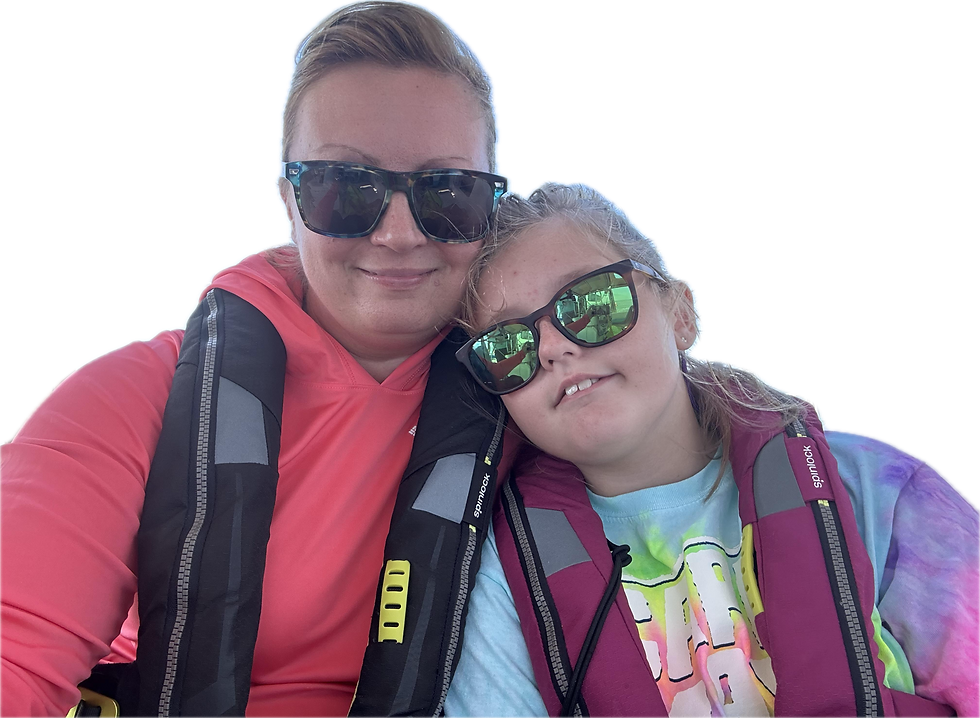
We would also like to say that we have a 20% discount code provided by Spinlock BOGUMILA20 for all of you, to be used on their website www.spinlockusa.com, and we truly appreciate being able to share this with our community. It reflects a long-standing relationship built on trust, quality, and shared values around safety at sea. We are very grateful for confidence Spinlock has shown our family and we wear their brand proudly .
Having reliable safety equipment gives us confidence and peace of mind, especially as responsibilities onboard increase with age. Every crew member always wears properly fitted equipment when conditions require it, and we make sure it becomes a natural part of sailing life rather than something forced or optional.

Flexibility is equally important because weather, moods, and plans can change quickly at sea. Snacks remain a simple but powerful tool that has worked from age 4 to 12. Comfort also plays a big role, including rest, shade, and downtime to keep everyone happy onboard.
Most Important Things to Have On Board When Sailing with Kids
Over the years, we’ve learned that the right essentials make sailing with kids much smoother. Safety gear is always the number one priority, especially properly fitted life jackets that children are comfortable wearing.
Sun protection is equally important because life on the water means constant exposure. Hats, UV clothing, and sunscreen are daily essentials onboard.
Snacks are another must-have, helping maintain energy, mood, and routine throughout the day. From lake sailing to offshore passages, they have always been one of the simplest tools for keeping things balanced.
Comfort items also play an important role, especially in the early years. A favourite toy, book, or blanket helps children adjust to motion and longer time onboard. Even now at 12, small personal comforts still matter.
For downtime, we always bring books, games, and downloaded entertainment for longer passages. Sailing is the focus, but rest and quiet time are part of the rhythm of life at sea.
Practical essentials like dry clothes, dry bags, motion sickness remedies, and easy access to water also make daily life smoother. As children grow, giving them responsibility for their own belongings helps build independence onboard.
Ultimately, it’s not about overpacking—it’s about being intentional and prepared.

The Truth About Sailing with Kids
One of the most common questions we get is whether sailing with kids becomes easier or harder as they grow. The honest answer is that it simply changes. At 4, it is about safety and comfort on lakes. At 7, it is about curiosity and first independence. At 10, it is about confidence and participation. At 12, it is about teamwork and shared responsibility. Each stage brings challenges, but also deeply rewarding moments.
If you would like to follow our real sailing journey, you can find us on SVBogumila on Instagram and on our website. We share honest family sailing life—the beautiful moments, challenges, and everything in between.
Sailing with kids is not about perfect conditions or perfect plans. It is about growing together, adapting as you go, and building a shared life on the water. And one day, you look around and realize that the little child who once sat quietly in the cockpit is now helping you sail the boat. ⛵🌊
Follow our journey on Instagram @SVBogumila for real-time updates from these locations or simply send us a message.


Comments