

🌊 Our Guide to Abaco Islands
- Anna Wanecka Swiacke

- Apr 15
- 5 min read
Updated: Apr 18
We continued our journey north from Eleuthera, leaving behind the more exposed anchorages and stronger currents, and heading toward the Abaco Islands. After navigating cuts, timing tides, and carefully choosing protection along Eleuthera, arriving in the Abacos felt like a shift into calmer, more forgiving cruising grounds.
The crossing brought us into the Sea of Abaco, where conditions immediately softened. The water became more protected, the sailing more relaxed, and the anchorages more predictable. Compared to Eleuthera, sailing in the Abacos offers a sense of ease, making it one of the most loved cruising areas in the Bahamas.
Entering through Little Harbour Cut requires attention to swell and timing, but once inside, the reward is clear—protected waters and endless places to explore. We continued to Lynyard Cay, anchoring in 6 to 10 feet over sandy bottom with good holding. It was the perfect place to slow down, snorkel, and enjoy the calm after the crossing.
From there, we moved on to Armstrong Cay, where shallow waters and mangroves filled with turtles created a peaceful and unique anchorage. Depths here range from about 5 to 9 feet, and the nearby small blue hole added another layer of exploration.
We then crossed toward Tilloo Cut, anchoring on the west side in 6 to 10 feet with sandy bottom. This anchorage works best in easterly winds, and conditions at the cut should always be evaluated before entering. Just outside, we explored vibrant reefs and admired beautiful elk coral—one of the most memorable snorkeling spots in the southern Abacos.

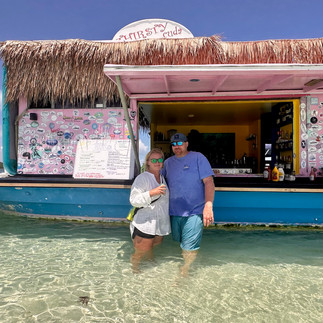


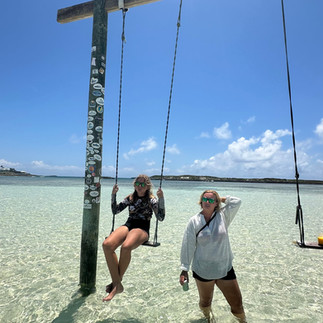
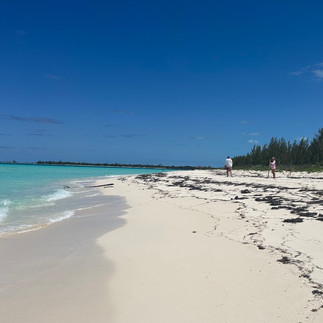
A must-stop when sailing the Abacos is Tahiti Beach. Known for its shallow, crystal-clear water and endless sandbars, it’s one of the most iconic beaches in the Bahamas. Here, we met other cruisers, shared stories, and enjoyed the social side of life on the water. The floating bar and swing added a fun, relaxed energy that perfectly captures the Abaco cruising lifestyle.
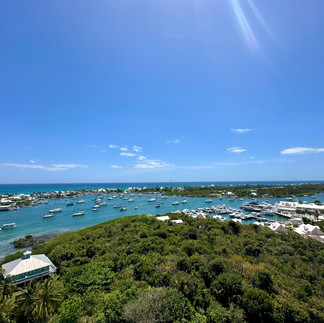
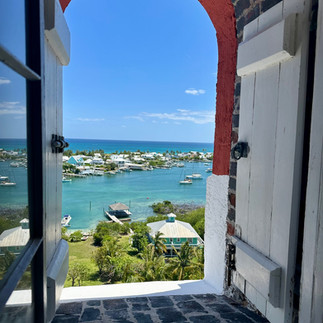
From there, we sailed north to Hope Town, one of the most picturesque towns in the Bahamas—and without a doubt, one of our favorite places in the Abacos. Anchoring depths are typically 6 to 10 feet with sandy bottom, though space can be limited. Entering the harbor requires attention to tides, and it’s best approached at or near high tide due to shallow areas.

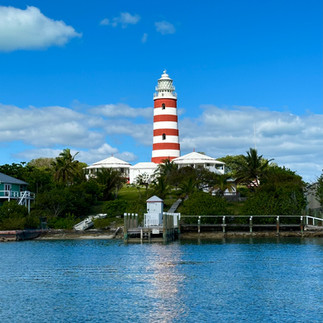

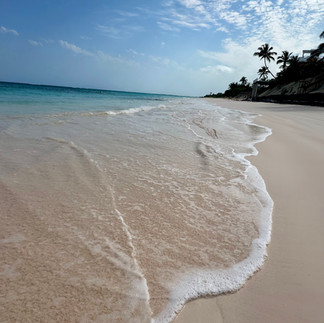





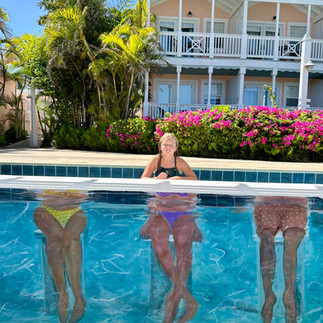


There are also many moorings available, offering a welcome break after navigating the shallow banks. Once ashore, Hope Town is full of charm, with colorful cottages, narrow streets, and a welcoming community. Just beyond the harbor, stunning pink sand beaches stretch along the Atlantic side, offering quiet and unforgettable scenery.
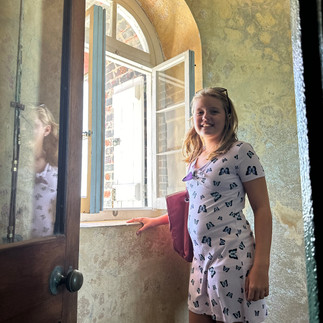
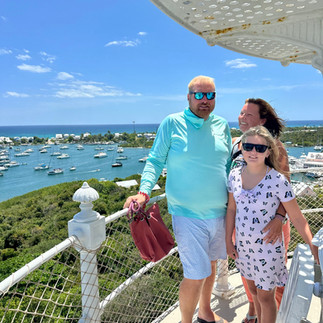
We highly recommend staying a few days here. The tranquility, beauty, and atmosphere make it a place that truly stays with you. One of the highlights is the iconic Elbow Reef Lighthouse, one of the last manually operated lighthouses in the world, offering breathtaking views over the Sea of Abaco.
After Hope Town, we explored the quieter Man-O-War Cay, a laid-back and traditional island known for its non-alcoholic community and strong boat-building heritage. The atmosphere here is calm and deeply connected to the sea.
Man-O-War Cay has been building boats for generations, and this tradition is still very much alive today. The island is famous for its handcrafted wooden vessels, particularly traditional Bahamian sloops that were once essential for fishing and inter-island travel. Walking through the settlement, you can still see boatyards and workshops where these skills are passed down through generations.

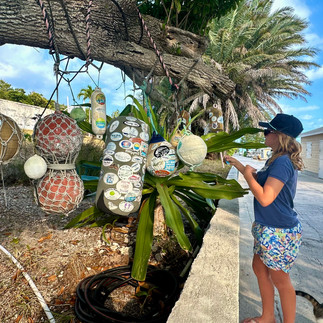


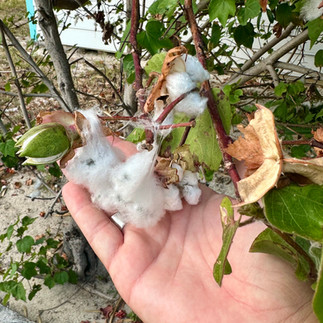

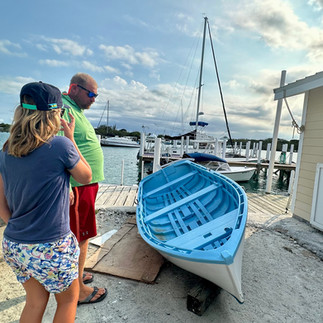



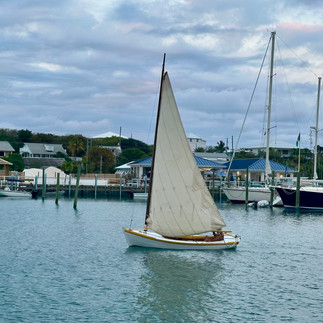
What makes this place special is that boat building here isn’t just history—it’s part of everyday life. Even today, you’ll find beautifully crafted boats alongside modern work, all reflecting the island’s deep maritime roots. For sailors, it’s a place that feels especially meaningful.
We explored both sides of the cay—the calm harbor and the exposed Atlantic—highlighting the balance between protection and the open ocean that shapes life here.
Next, we arrived in Marsh Harbour, the main hub of the Abacos and a key resupply stop. With grocery stores, marine services, and fuel docks, it provides everything needed to restock. It almost feels like stepping back into the United States after time spent in more remote islands.
We rented a car and explored inland, heading toward a national park in search of parrots. Instead, we were met with a sobering reminder of Hurricane Dorian. Large areas of forest still showed clear signs of devastation—miles of land reduced to what looked like bare twigs, stripped and broken.


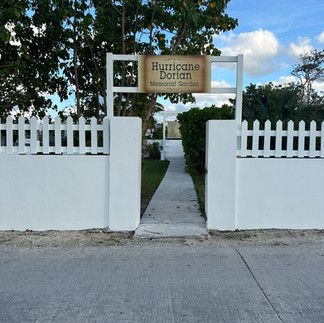


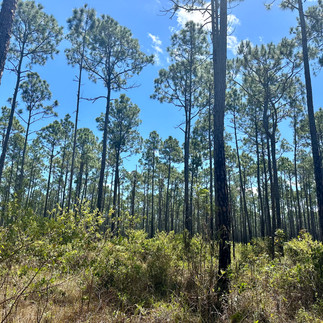


Even within Marsh Harbour, the impact is still visible. Some buildings have been rebuilt, others are still in progress, and a few remain as quiet reminders of what was lost. Recovery here is not hidden—it’s something you see in layers, with new construction rising alongside the past.
But what stood out most was the resilience. Life continues, businesses reopen, and the community keeps moving forward. Visiting gives you a deeper appreciation not only for the beauty of the Bahamas, but for the strength of the people who call it home.
From there, we headed offshore toward Fowl Cay to dive at Tombstone Reef, one of the most unforgettable underwater experiences of the trip. With dramatic coral formations, vibrant marine life, and incredible visibility, it felt like another world.
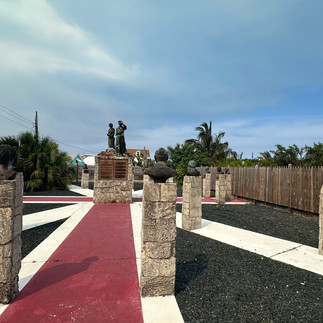
Continuing north, we stopped at Great Guana Cay, offering 6 to 12 feet depths and a lively atmosphere, before heading to Green Turtle Cay, one of the most charming and protected stops in the Abacos with reliable anchoring and a welcoming feel.Guana Cay and Turtle Cay, in the Abaco Islands, are popular cruiser stops known for their natural beauty and fun, social atmosphere. With clear shallow waters, scenic anchorages, and easy access to beaches and nearby reefs, the area offers the perfect mix of relaxed island cruising and lively bar-hopping, making it a favorite stop for many in the Abacos.




As our journey came to an end, we moved toward Powell Cay and Spanish Cay, where the focus shifted from exploring to preparing. These anchorages became staging points as we waited for a weather window to cross back to the United States.
Just beyond, Great Sale Cay became our final stop. The first time, we continued north without stopping. The second time, we stayed—anchored in 8 to 12 feet, enjoying our last quiet days in the Bahamas.



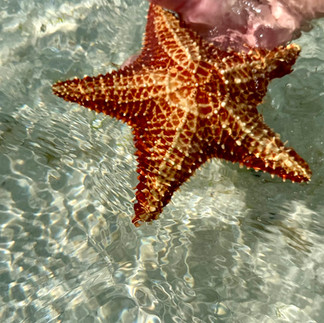


There’s something special about that final anchorage. The pace slows, reflection takes over, and the end of our journey begins to settle in. That last stop always brings a quiet sense of sadness, knowing we are about to leave these beautiful waters once again.

For us on SV Bogumila, sailing the Abacos was more than just a route—it was a journey filled with connection, learning, and unforgettable moments. A place we know we will return to time and time again. Place we made many memories as a family.
This guide is based on our real sailing experience aboard SV Bogumila, navigating these waters as a family.These weren’t just stops along the way—they were moments that shaped our journey.


Comments