

Cruising the Exumas , a Bucket list sailing destinations in The Bahamas
- Anna Wanecka Swiacke

- Apr 10
- 9 min read
Updated: Apr 18
A Sailing Guide from North to South
When we first sailed through the Exumas in the Bahamas, everything felt different. The water was clearer, the anchorages more abundant, and the sailing itself became more enjoyable. Over time, we realized that choosing the right anchorage based on wind direction, depth, and protection is what truly defines a successful passage.
A great way to approach the Exumas is from Nassau, which allows for a comfortable day sail into the chain. We typically sail from north to south, starting near the Berry Islands and working our way down toward Georgetown. With each crossing, we gained more confidence, learned from our mistakes, and developed a much better understanding of these waters.
Our journey begins at Ship Channel Cay, where depths are generally around 8 to 12 feet with sandy bottom and good holding in settled conditions. This anchorage is best protected in easterly winds but becomes exposed in north or west winds, making it more suitable as a short stop before continuing south.Ship Channel Cay is one of those quiet, less-talked-about stops that cruisers appreciate for its space, shelter, and raw natural beauty. It sits along the Exuma Cays with good protection in many conditions, making it a practical anchorage when moving through the chain. The surrounding waters are typically clear and shallow in places, with sandy bottoms that give that classic Exumas turquoise glow. It’s not a developed island, so the experience is very natural—no facilities, no crowds, just open water, low-lying cays, and the sound of wind and sea.
For cruisers, Ship Channel Cay is often used as a comfortable overnight stop or a staging point between more popular destinations. It’s a place where you can slow down, take in the scenery, and enjoy the simplicity of being anchored in one of the most beautiful cruising grounds in the Caribbean. Dinghy exploration around the nearby cuts and sandbanks can be rewarding on calm days, and the lack of development makes it feel untouched compared to busier stops.


From there, we continue toward Allan’s Cay, one of the first true highlights of the Exumas, known for its rock iguanas and shallow anchorage in the 8 to 12 feet range. Walking ashore and seeing the iguanas up close feels like stepping into a different kind of wilderness. There is a quiet, untouched quality here that makes even a short stop feel meaningful. It offers good protection in easterly winds but can become uncomfortable in stronger winds from the north or west.It's famous for its population of endangered rock iguanas. The islands are low, rocky, and mostly uninhabited, with clear shallow water and sandy patches that make anchoring relatively straightforward in settled conditions. Cruisers often stop here for a short stay because it offers both good protection and a unique wildlife experience that you don’t really get elsewhere in the Exumas.
The main attraction, iguanas, which are found on the beaches and are known for approaching visitors in search of food (though feeding is discouraged). Walking ashore feels almost prehistoric, with rough limestone rock formations, sparse vegetation, and wide open views of surrounding turquoise water. Snorkeling around the anchorage can also be rewarding on calm days, with clear visibility and typical reef fish around nearby coral heads.Allen’s Cay is usually visited as part of a northern Exumas passage, often combined with stops like Highbourne Cay or Norman’s Cay.


Allan's Cay
Moving further south, we reach Highbourne Cay, where anchoring depths range from about 8 to 15 feet with solid holding. This anchorage offers decent protection in easterly and southeasterly winds but is more exposed in stronger winds from other directions. Highbourne Cay also provides a marina with fuel and a small grocery store, making it an important provisioning stop while still surrounded by natural beauty.

Continuing onward, we arrive at Norman’s Cay, where depths are typically around 10 to 15 feet. This anchorage is generally well protected in easterly winds but less comfortable in strong northerly or westerly winds. Inside the island lies Norman’s Pond, a natural hurricane hole that offers significantly better protection due to the surrounding landmass. Once inside, the stillness is striking—the outside world feels distant, and the calm water creates a strong sense of safety. On one of our trips, we stayed inside Norman’s Pond for a week during a strong storm, and the difference in protection compared to the outer anchorage was very noticeable.Norman’s Cay is one of the most well-known stops in the northern Exumas, blending beautiful cruising waters with a layer of intriguing history. The island is privately owned today, with a small airstrip and resort-style development, but it’s most famous for its past and for the shallow, clear anchorage that surrounds it. The water here is exceptionally turquoise, with sandbanks and coral patches making it a striking place to anchor and explore by dinghy.
One of the biggest attractions is the shallow-water plane wreck just off the island. In very calm, clear conditions, snorkelers can visit the remains of a sunken aircraft sitting in only a few feet of water. The wreck is partially broken down but still visible enough to recognize, and it’s surrounded by reef fish and seagrass, making it a popular but easy snorkeling stop. It’s best visited on a calm day with good visibility and careful navigation due to the shallow surroundings.Beyond the wreck, Norman’s Cay offers good snorkeling along nearby reefs, quiet beach spots, and protected waters that make it a comfortable overnight anchorage


Norman's Cay Pond. anchorage sunken airplane
Nearby, O’Brien’s Cay offers anchoring in shallow depths of around 6 to 10 feet with exceptional clarity. This anchorage works best in calm or easterly conditions but becomes exposed in stronger winds. Snorkeling here feels like entering an open-air aquarium, where marine life is abundant and visibility is outstanding.This shallow reef area is packed with marine life and coral heads, making it one of the most popular easy snorkel stops in the northern Exumas. On calm days, visibility is excellent and you can see a wide variety of tropical fish in just a few feet of water, making it accessible even for casual snorkelers.

Further along, Shroud Cay offers a completely different experience. With depths ranging from 6 to 10 feet, this anchorage is surrounded by mangroves and shallow channels and is best protected in easterly winds. What makes Shroud Cay truly special is its internal mangrove system and the natural “lazy river” that flows through the island. Exploring by dinghy allows you to drift through winding creeks as the current gently carries you along. The quiet, shallow water and dense mangroves create a peaceful and secluded environment. Drifting through this natural current feels simple yet unforgettable, and following it can eventually lead toward the ocean side of the island.

Continuing south, Warderick Wells, part of the Exuma Cays Land and Sea Park, is a protected mooring area rather than an anchorage. It is well sheltered in easterly winds and offers excellent water clarity, though it is less protected in stronger winds from the north or west. This area is one of the most preserved parts of the Exumas, offering a unique opportunity to experience an untouched marine environment.Warderick Wells, is one of the most rewarding stops for cruisers and nature lovers. One of the highlights is the hike up to Boo Boo Hill, a short but steep climb that leads to panoramic views over the anchorage and surrounding cays, where sailors often leave driftwood name plaques as a tradition. Beyond that, the island offers several ridge trails that are easy to explore and provide sweeping views of both the Exuma Sound and the Atlantic side, especially beautiful at sunrise or sunset. The beaches are completely undeveloped, making them perfect for swimming or simply relaxing in total quiet, while the nearby reef edge offers excellent snorkeling with clear water, coral heads, turtles, and tropical fish. Visitors can also explore the anchorage by dinghy, which is filled with shallow turquoise waters and sandbanks that shift with the tide, or stop by the park headquarters to learn about conservation efforts and pay park fees. Overall, Warderick Wells feels like the untouched heart of the Exumas, offering a rare mix of hiking, snorkeling, and pure natural beauty in one protected island setting.


Next, Pipe Cay stands out for its stunning sand flats and vivid blue water. Depths here are typically around 7 to 12 feet, and the anchorage works best in settled weather or light easterly winds. It is exposed in stronger winds, but the surrounding shallow flats create an incredible visual landscape. The water here has an almost unreal quality, with shades of blue that feel unlike anywhere else. At times, it appears so vivid and pure that it feels completely out of this world, making Pipe Cay one of the most memorable stops along the route.


We then arrive at Staniel Cay and nearby Big Major Cay, one of the most lively and well-known areas in the Exumas. Depths are typically around 8 to 12 feet, but anchoring requires careful positioning due to crowding and wind exposure. This area is generally comfortable in easterly winds but less protected in stronger winds from the north or west. Thunderball Grotto is one of the most iconic snorkeling locations in the Bahamas, best visited at slack tide. Swimming through the grotto with light filtering from above is an unforgettable experience. Big Major Cay is also famous for its swimming pigs, adding to the unique character of the area. Around Staniel Cay, the energy shifts noticeably, with boats, activity, and a constant sense of movement that contrasts with quieter anchorages.

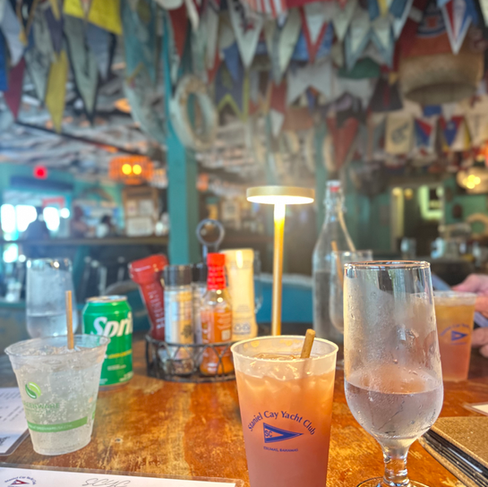


Just south of Staniel Cay, Black Point offers anchoring in depths of around 8 to 15 feet with good holding in sand. This anchorage is best in easterly winds but can become less comfortable in stronger winds from other directions. Black Point is known for its friendly local community, small restaurants, and provisioning options. Spending time here gives a genuine sense of connection to local life, with a slower pace and welcoming atmosphere.


After passing Black Point, we reach Oven Rock, where anchoring depths are typically around 6 to 10 feet in calm conditions. This anchorage is best suited for light easterly winds and becomes exposed in stronger conditions. One of the highlights here is a cave located ashore, adding a unique and adventurous element to this quieter stop.The cay itself is named after a distinctive rock formation that resembles an “oven” shape rising from the limestone, giving it a unique landmark feel in an otherwise open seascape.Further south,
Little Farmer’s Cay provides a quieter and more local experience. Depths are typically around 8 to 12 feet with good holding, and it is best protected in easterly winds. The settlement is friendly and welcoming, offering a glimpse into everyday Bahamian island life. It’s one of those stops where the simplicity and authenticity stand out.Farmers Cay has a small settlement, a friendly community, and a laid-back atmosphere that makes it a comfortable place to pause and restock during a passage south or north.
The anchorage nearby is generally calm in settled weather, with clear water and sandy bottoms typical of the Exumas. It’s not a major resort stop, which is part of its charm—boats come here more for simplicity, quiet, and a touch of local culture rather than luxury amenities. Onshore, visitors may find a small store, a marina, and local spots that reflect the slow pace of island life.


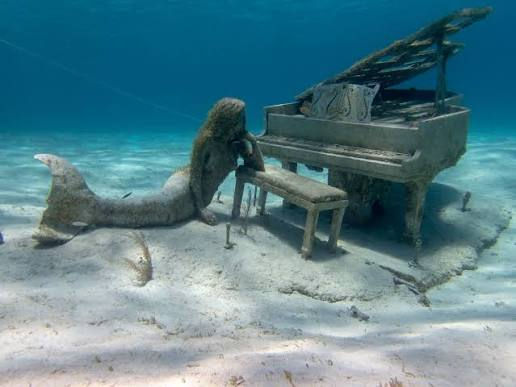
Continuing along the chain, Rudder Cut Cay offers anchoring in depths around 7 to 12 feet with good protection in easterly winds. This area becomes more exposed in stronger winds but is well known for its underwater sunken mermaid sculpture, which can be explored while snorkeling, adding a unique and memorable highlight to the stop.Just off the coast of Rudder Cut Cay… 👀🌴12–15 feet below the surface, hidden in the sand 🌊A mermaid waits beside a baby grand piano 🧜♀️🎹Easy to miss when the water clouds…. But on a clear day, it feels like finding magic ✨Snorkel down, take a seat, and play her a tune 🎶
Further south, Lee Stocking Island provides anchoring in depths between 8 and 15 feet. It offers reasonable protection in easterly winds but becomes less protected in stronger northerly or westerly conditions. It is often used as a quieter stop before reaching Georgetown.


Finally, we arrive at Georgetown and Elizabeth Harbour, one of the most popular cruising destinations in the Exumas. Depths here range from about 8 to 15 feet, with multiple anchoring areas depending on wind direction. Georgetown is well known for its cruisers’ regatta, where sailors from all over gather to share experiences and participate in daily activities. In the afternoons, people often meet at Chat ‘N Chill for beach volleyball, social gatherings, and time together by the water. Kids especially enjoy the jungle gym and the opportunity to meet others from different boats, creating a strong sense of community.


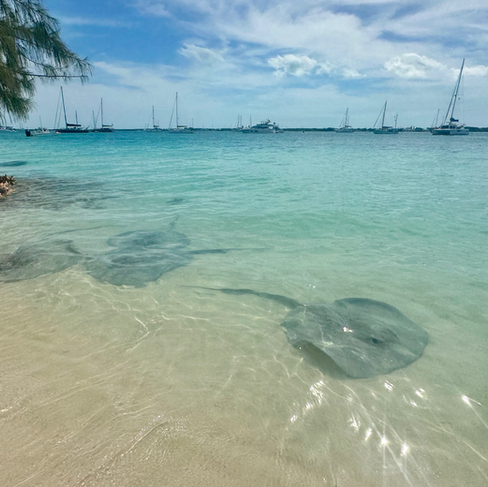


Looking back, the most important lesson we learned from sailing the Exumas is that choosing the right anchorage based on wind direction, depth, and protection is essential. Easterly winds dominate the region, but conditions can change, and understanding when to move or seek shelter—especially in hurricane holes like Norman’s Pond—makes all the difference. On our first crossing, we made mistakes and learned through experience, but by our later visits, everything became smoother and far more enjoyable.
The Exumas remain one of the most rewarding sailing destinations in the Bahamas. From quiet mangrove passages like Shroud Cay, to remote sand flats like Pipe Cay, to lively hubs like Staniel Cayand community-centered stops like Georgetown, each anchorage offers something unique. For us on SV Bogumila, it’s not just about the destinations—it’s about the journey, the learning, and the experience of exploring these incredible waters.The Exumas are a popular cruising destination—and a must-stop to truly admire their natural beauty. It’s something out of this world, with striking water colors, peaceful anchorages, and scenery that feels almost unreal. Distances between stops are relatively short, allowing cruisers to move at a comfortable pace from one cay to the next. The water clarity is a standout feature, often making it possible to see the seabed at anchor.The Exumas are widely considered a major cruising ground in the Caribbean. The area is made up of hundreds of islands and cays spread across clear, shallow water, which makes it especially suitable for boating and island-hopping. Would you sail the Exumas?
This guide is based on our real sailing experience aboard SV Bogumila, navigating these waters as a family.These weren’t just stops along the way—they were moments that shaped our journey.


Comments